








|
News Source: topspeed.com
|
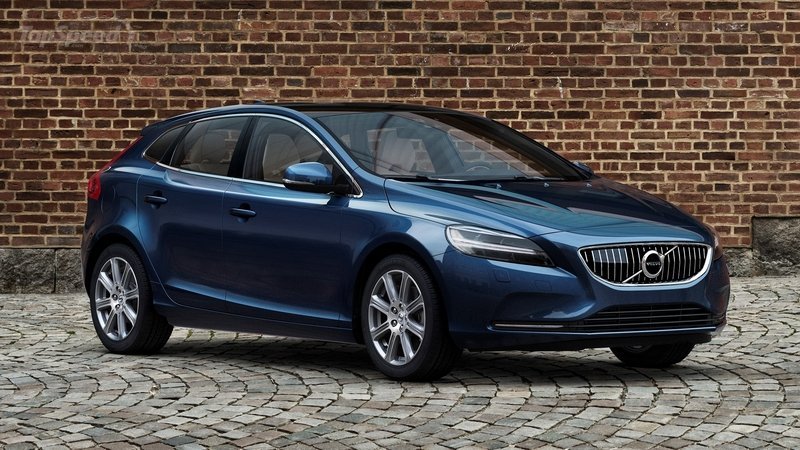
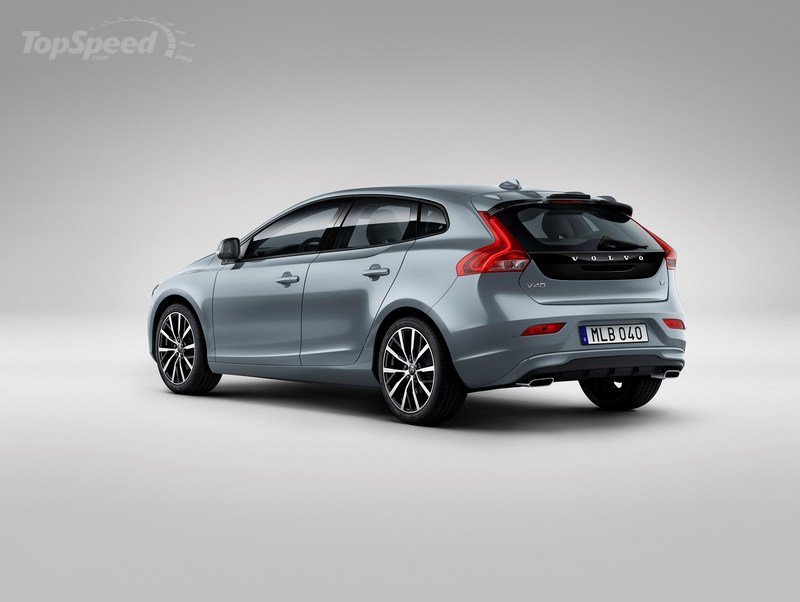
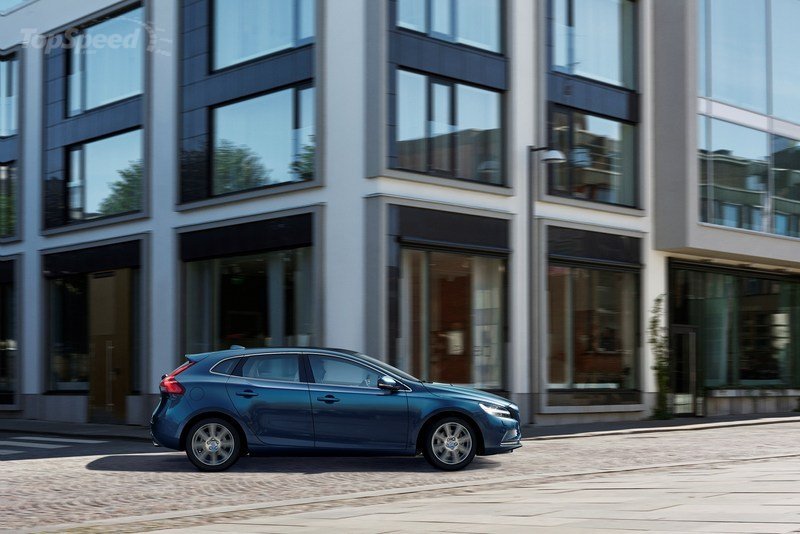
The Volvo V40 came to be in 1995, as a wagon version of the then-new S40, which replaced the 440/460 series. The name was retired in 2004, when the second-generation wagon was renamed V50, but it returned in 2012. The new V40, however, was developed as a hatchback instead of a full-fledged wagon, and was aimed at the likes of the BMW 1 Series and Audi A3. Volvo also launched a Cross Country version with protective body panels, bigger wheels, and an increased ride height for crossover enthusiasts. Four years have passed since the modern, hatchback V40 arrived in dealerships and Volvo has prepared an updated iteration for the 2016 Geneva Motor Show. The update is far from comprehensive, but it adds new headlamps and front grille, new exterior colors, and new upholstery options for the interior. It also comes with improved apps and technology and a more efficient diesel powertrain. “The V40 is the best-selling Volvo model in Europe and the second-most popular Volvo model globally, making it a very important car for the company. With the updates for model year 2017 we make this already very successful model even more attractive to customers in the segment,” said Bjorn Annwall, Volvo’s senior vice president. As you may already know, the V40 is not yet available in the U.S. However, word has it that the hatch might cross the pond to North America around 2018, when the next-gen version arrives. Until that happens, let’s have a closer look at the model set to debut at the Geneva Motor Show. A quick peek at the V40’s front end is enough for you to notice what changed with the facelift. First, the hatchback gained a new set of headlamps. These are about the same shape and size as the previous units, but feature Volvo ’s new "Thor’s Hammer" signature LED lighting. This lighting pattern debuted on the XC90 and found its way on the S90 and V90, which makes the V40 the fourth Volvo, and first model outside the new 90 Series, to use it. Second, Volvo replaced the previous grille that had three horizontal slats with a new one that employs 21 thinner vertical bars. This feature is also borrowed from the S90 and gives the hatchback a more premium appearance. The "Iron Mark" emblem also received a mild facelift. Volvo replaced the previous grille that had three horizontal slats with a new one that employs 21 thinner vertical bars Third, the V40 received five new exterior colors. There’s Amazon Blue and Denim Blue, which are completely new for Volvo, and Bursting Blue, Mussel Blue, and Luminous Sand, which were borrowed from other models. And yes, four of the five new colors are different versions of blue. The folks over at Volvo must really dig blue... Finally, the V40 also gained the "rank marks" that were first introduced on the XC90 to differentiate trims and versions and eight new wheel designs for the V40, R-Design and V40 Cross Country models. Not a lot has changed, but it’s more than enough for a vehicle that has only four years on the market. Not to mention that the V40 is on the pretty side of the hatchback market. Inside, changes include a new upholstery called City Weave, inspired by the Volvo Concept Estate, and a new Charcoal/Blond steering wheel option. New panel inlays were also added, with customers getting to choose between Milled Aluminum, Black Grid Aluminum, and Stealth Aluminum. Accent trim colors in the door inserts will now be offered with contrasting stitching and, for the first time, a black headliner will be available as an option in the V40. The R-Design and Inscription trim levels get new tread plates. An updated key fob with the new Volvo logo rounds out the package. On the tech side, there's an updated Volvo On Call smartphone app On the tech side, there’s an updated Volvo On Call smartphone app. While the previous version was able to deliver wearable connectivity for Apple Watch and Android Wear, the new app offers Microsoft Band 2 connectivity as well. This enables voice-control for certain features when using Windows 10-based smartphones. The update also brings a calendar integration function and Flic button compatibility. Flic allows drivers to program a single "smart button" to perform several tasks, such as locking the car or to start/stop pre-heating. Finally, the V40’s cabin is now equipped with CleanZone technology, which ensures that outside air is filtered before entering the cabin, removing harmful pollutants. CleanZone logos have been placed on the dashboard air vents. Everything remains the same in the drivetrain department, meaning that the V40 can be had with one of two gasoline and two diesel engines. The base model gets its juice from a T2 gasoline unit rated at 122 PS. Then there’s the T3 with 152 PS. Moving over to diesels, the D2 cranks out 120 PS, while the D3 sends 150 PS to the wheels. Transmission choices include a six-speed manual and a six-speed automatic. Volvo says it has reduced CO2 emissions on its popular D2 manual powertrain to just 89 g/km. The previous rating was 94 g/km. It looks like the V40 will continue with the same engine until the next-generation model arrives sometime in 2018. Safety features are carried over from the previous model, but that’s not something you should be worried about, as safety is an intrinsic part of Volvo’s DNA. The updated V40 comes with IntelliSafe, City Safety collision avoidance technology, Collision Warning with Full Auto Brake and Pedestrian and Cyclist Detection, Blind Spot Information System, Lane Keeping Aid and Cross Traffic Alert, Road Sign Information technology, and Adaptive Cruise Control. The V40 also uses a pedestrian airbag system, an industry first at the time of its introduction in 2012. When impact occurs, the section of the engine hood that’s closest to the windscreen is released and elevated by the deployment of the airbag. The inflated airbag covers the area under the raised hood, around one-third of the windscreen, and the lower section of the A-pillar. The system is designed to help reduce the severity of pedestrian injuries in the event of an unfortunate accident. Volvo has yet to announce pricing information for the updated V40, but it shouldn’t cost a lot more than the current version. Given that current pricing starts from €26,880 (about $29,610), the facelifted model should start from around €27,400 (around $30,190) in Germany. |

|

| Copyright © 2026 • www.showcar.com.au • Showcar Pty. Ltd. • Contact info@showcar.com.au | sydney web design & development by Webski |